
 中文 (中国)
 日本語
日本語 한국어
한국어
As the busy summer season approaches, now is the ideal time to inspect your slingline trolleys before increased daily traffic puts additional wear on your equipment. Spring inspections give your team the opportunity to identify wear early, order replacement parts ahead of peak demand, and avoid unnecessary downtime once operations are in full swing.
Trolleys experience constant movement, loading, vibration, and environmental exposure throughout the year. Even small issues — like worn split pucks, loose hardware, or damaged wire rope — can quickly become larger operational or safety concerns during your busiest months. A proactive inspection program helps extend equipment life, improve reliability, and keep your course operating efficiently all season long.
Common Wear Areas to Inspect
While every trolley style has specific inspection points, there are several components operators should pay close attention to during pre-season inspections.
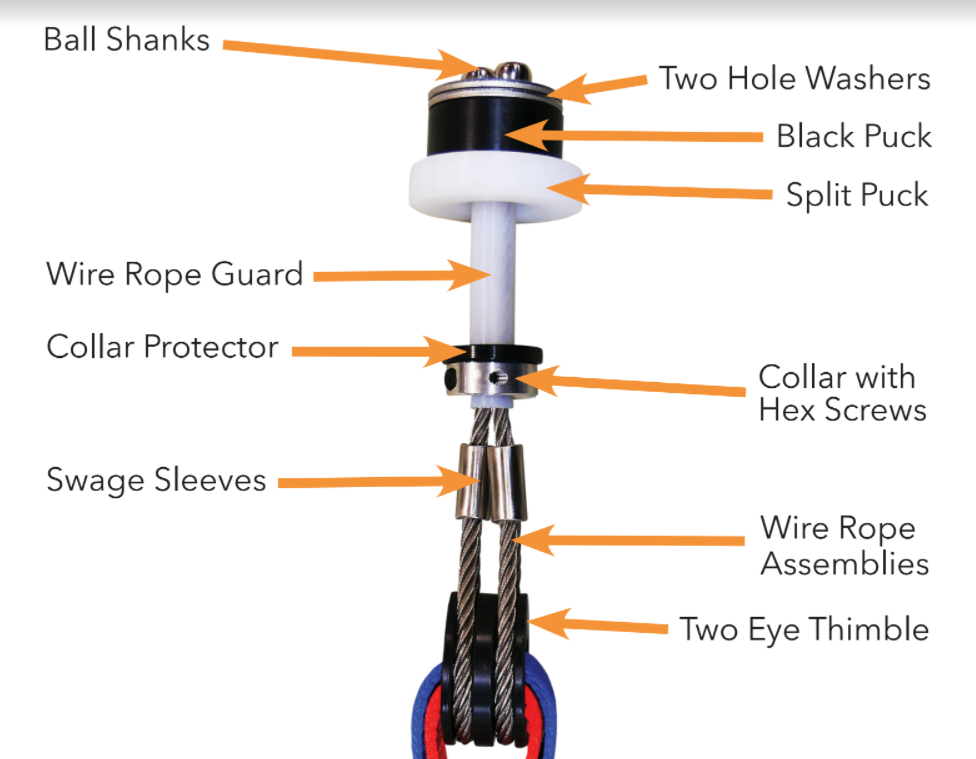
Wire Rope Assemblies
Wire rope damage is one of the most critical inspection items. Look for:
- Broken wires
- Rust or severe pitting
- Excessive wear
Remember the “two-in-two” rule: more than two broken wires within any 2” span means the trolley must be retired from service.
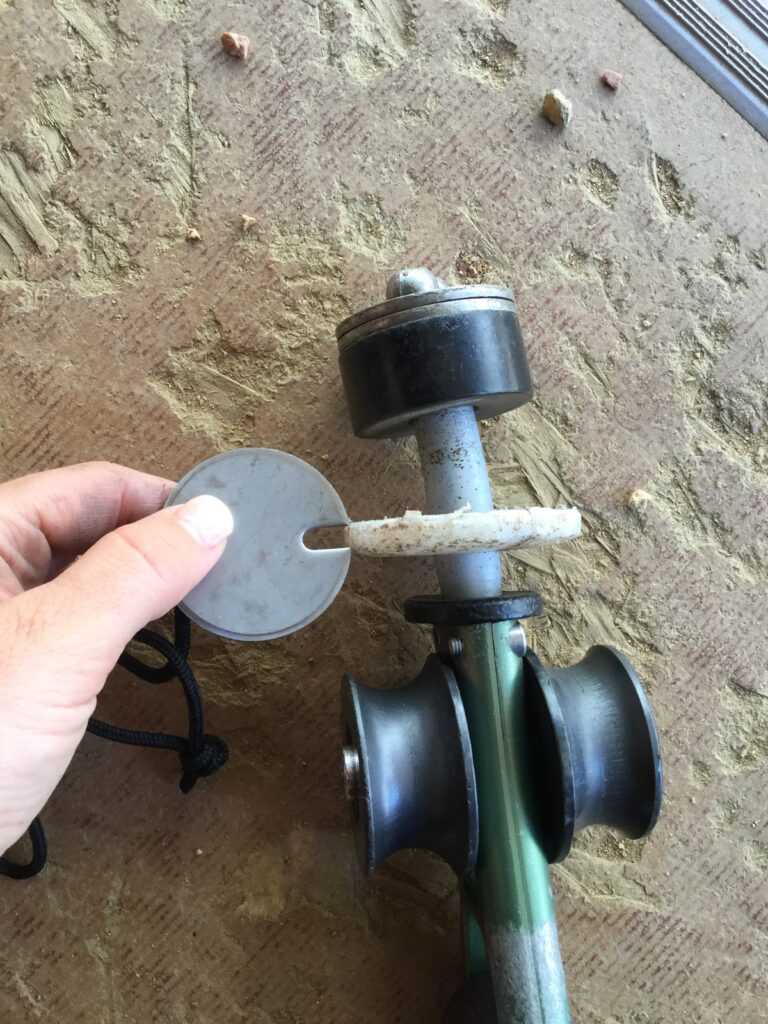
Split Pucks and Black Pucks
These components experience constant wear during normal operation and loading.
Inspect for:
- Gouging
- Cracking
- Excessive wear
- Worn-off indicators
- Improper loading wear patterns
Underside wear on black pucks can also indicate that operators are incorrectly loading the trolley into the track — something worth reviewing with staff before summer crowds arrive.
Missing or Loose Hardware
One of the most commonly overlooked issues during inspections is missing hardware.
Pay close attention to:
- Housing screws
- Axle bolts
- Nylon lock nuts
- Hex screws on collars
Even small missing components can accelerate wear or lead to larger operational problems over time.
Housing Wear and Cracking
For TSA and SRTSA style trolleys, inspect upper and lower housings carefully for:
- Cracks
- Gouging
- Exposed wire
- Housing gaps
Excessive housing wear is often a sign that the trolley should be removed from service.
Cable Sleeves
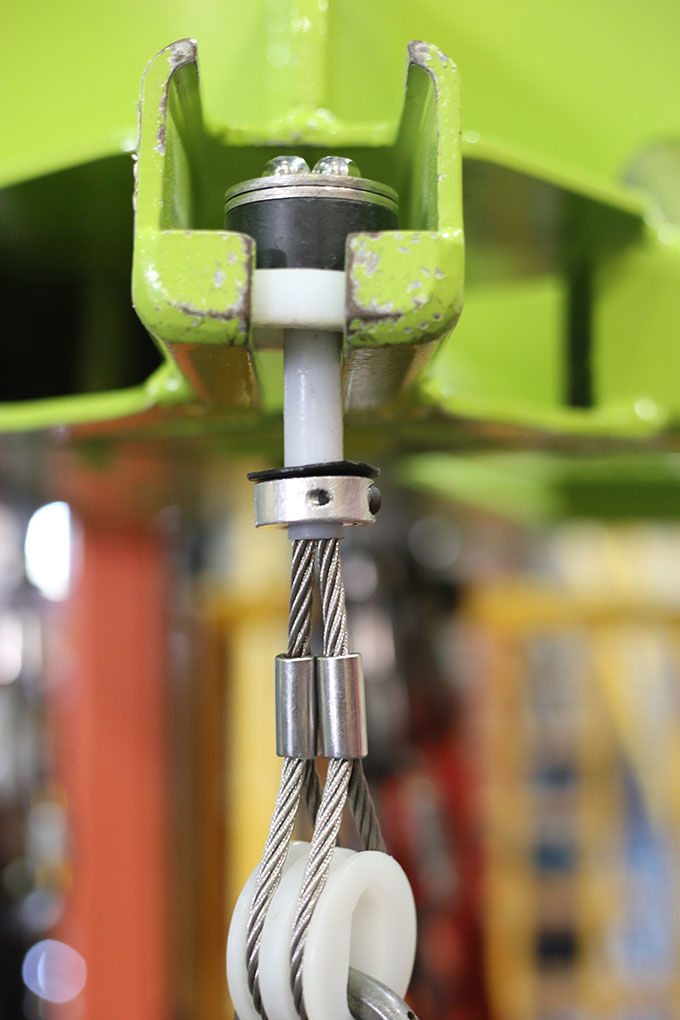
Cable sleeves are another component that deserves close attention during pre-season inspections. Over time, sleeves can crack, become damaged, or wear through enough to expose the wire rope underneath — all of which are signs that replacement is needed.
One issue that is commonly overlooked is improper installation orientation. Cable sleeves can sometimes be installed upside down during maintenance or replacement, which may affect how the sleeve wears over time and how it protects the wire rope assembly.
During inspections, operators should confirm that:
- The sleeve is not cracked or excessively worn
- No wire rope is exposed
- The sleeve is installed in the correct orientation
Don’t Wait Until Summer
One of the biggest advantages of spring inspections is having time to react before peak season begins. If you have more questions refer to the “How to Disassemble a TSA” and “How to Disassemble a SRTSA” training videos or the Sky Trail® Manual for more detailed inspection points. All Training and Inspection materials can be found in the RCI Client Portal.
Ordering replacement parts now helps facilities:
- Avoid seasonal shipping delays
- Minimize downtime
- Schedule maintenance before attendance spikes
- Keep attractions operating consistently during the busiest months
A proactive inspection program not only helps extend the life of your equipment, but also supports smoother daily operations and a better guest experience throughout the summer.